Tag: Achievement System
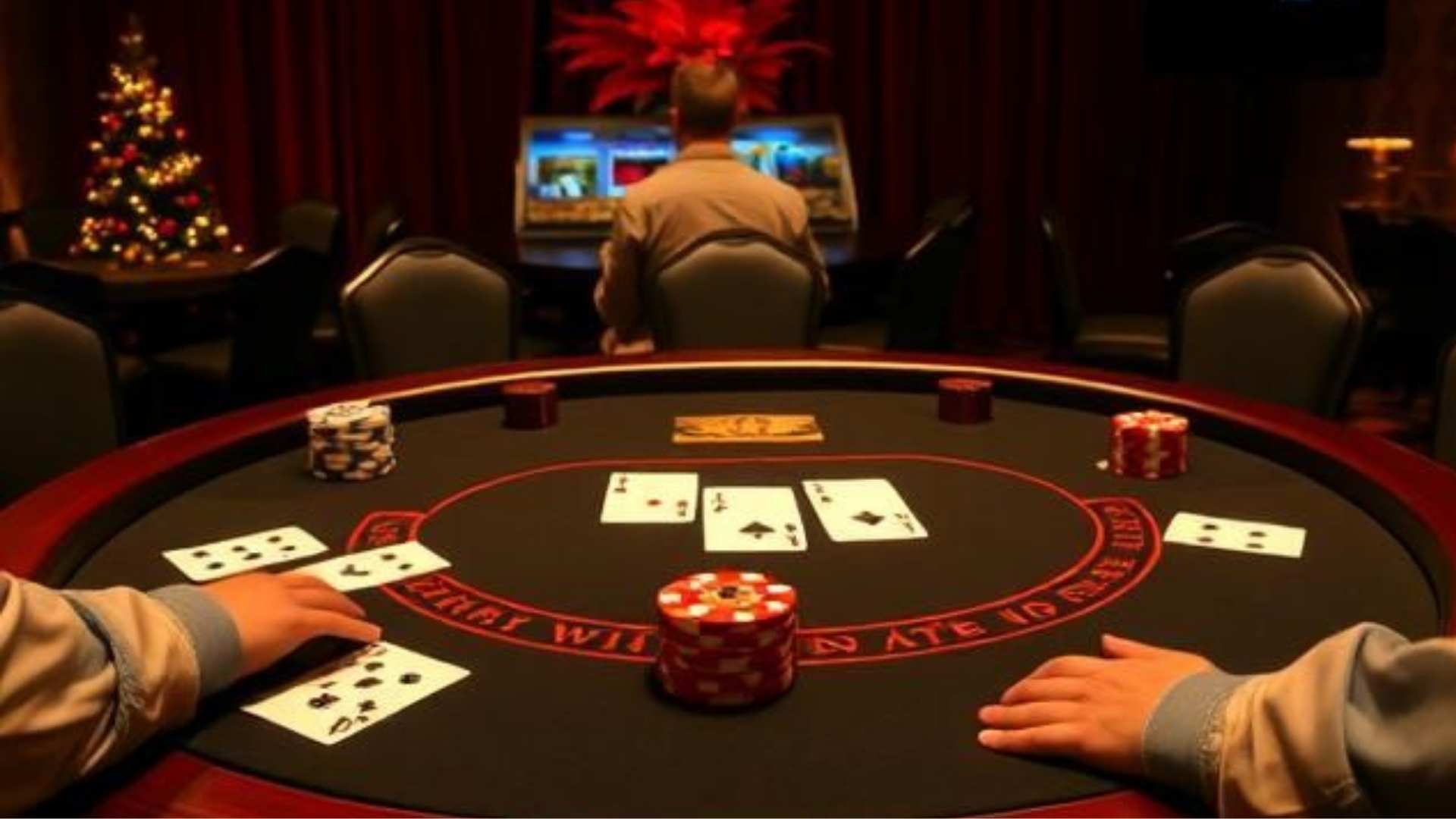
Poker Bluffing Guide For Smarter Reading Techniques
Mastering the art of deception at the poker table requires a deep comprehension of both mathematical probabilities and human psychology. Successful players do not rely merely on luck; instead, they focus heavily on gathering subtle data points from their opponents to make highly informed decisions. Combining well-timed bluffs with advanced observation skills allows you to dictate the flow of the match and maximize your winnings effectively.
Decoding Opponent Betting Patterns
The most reliable information at the card table often comes from tracking how your rivals voluntarily commit their chips over multiple rounds. Casual players tend to follow predictable betting sizes, betting small when they feel vulnerable and pushing aggressively when they hold a monster hand. Recognizing these repetitive sequences helps you identify the exact moments when an opponent is trying to represent a strength they do not possess.
Advanced reading techniques require you to cross-reference these chip sizes with the overall board state. If an individual suddenly shifts from a passive calling strategy to a sudden raise on a dangerous river, their actions tell a specific story. Dissecting these strategic adjustments helps you separate genuine value bets from desperate, high-risk bluffs.
Analyzing Physical and Timing Tells
Physical tells provide another layer of crucial data during intense live sessions, though they must always be evaluated within context. Subtle bodily reactions, such as sudden breathing changes or an intense focus on chip stacks, frequently signal internal stress or adrenaline spikes. Observing how an opponent handles their cards under heavy pressure gives you a distinct psychological edge over the rest of the table.
In the digital arena, where physical presence is absent, timing tells become the primary weapon for analytical strategists. The speed at which a competitor makes a decision can reveal their confidence levels or highlight an attempt to execute a planned deception. You can utilize platforms like m88.com mobile to observe diverse virtual playstyles and practice identifying these rapid, data-driven patterns in real time.
Correlating Ranges with Board Texture
Smarter bluffing is heavily dependent on understanding how the community cards interact with your opponent's logical range of holdings. As a hand progresses through the flop, turn, and river, the total number of possible combinations they can hold continuously shrinks. Experienced players use this funnel concept to deduce whether a rival could realistically hit the drawing cards visible on the board.
When scare cards appear unexpectedly, they create excellent opportunities to execute a calculated semi-bluff. If your read suggests the opponent holds a weak pair that cannot withstand heavy pressure, a well-timed bet can force an immediate fold. This systematic approach ensures that your deceptive plays are backed by solid logic rather than reckless emotional impulses.
Maintaining Emotional Discipline
Executing successful bluffs requires absolute control over your own table image and personal demeanor throughout the entire game. If your opponents perceive you as an unpredictable or overly aggressive player, they will call your bets much more frequently. Cultivating a calm, balanced reputation ensures that your sudden tactical movements carry significant weight and credibility.
Long-term success in card strategy ultimately belongs to those who view every single round as an objective negotiation. Remaining curious, analyzing failures, and constantly refining your observation habits will transform these professional principles into natural instincts. Consistent deliberate practice will allow you to control the narrative at any table you choose to join.