Why Random Selection Remains Popular In Modern Game Design
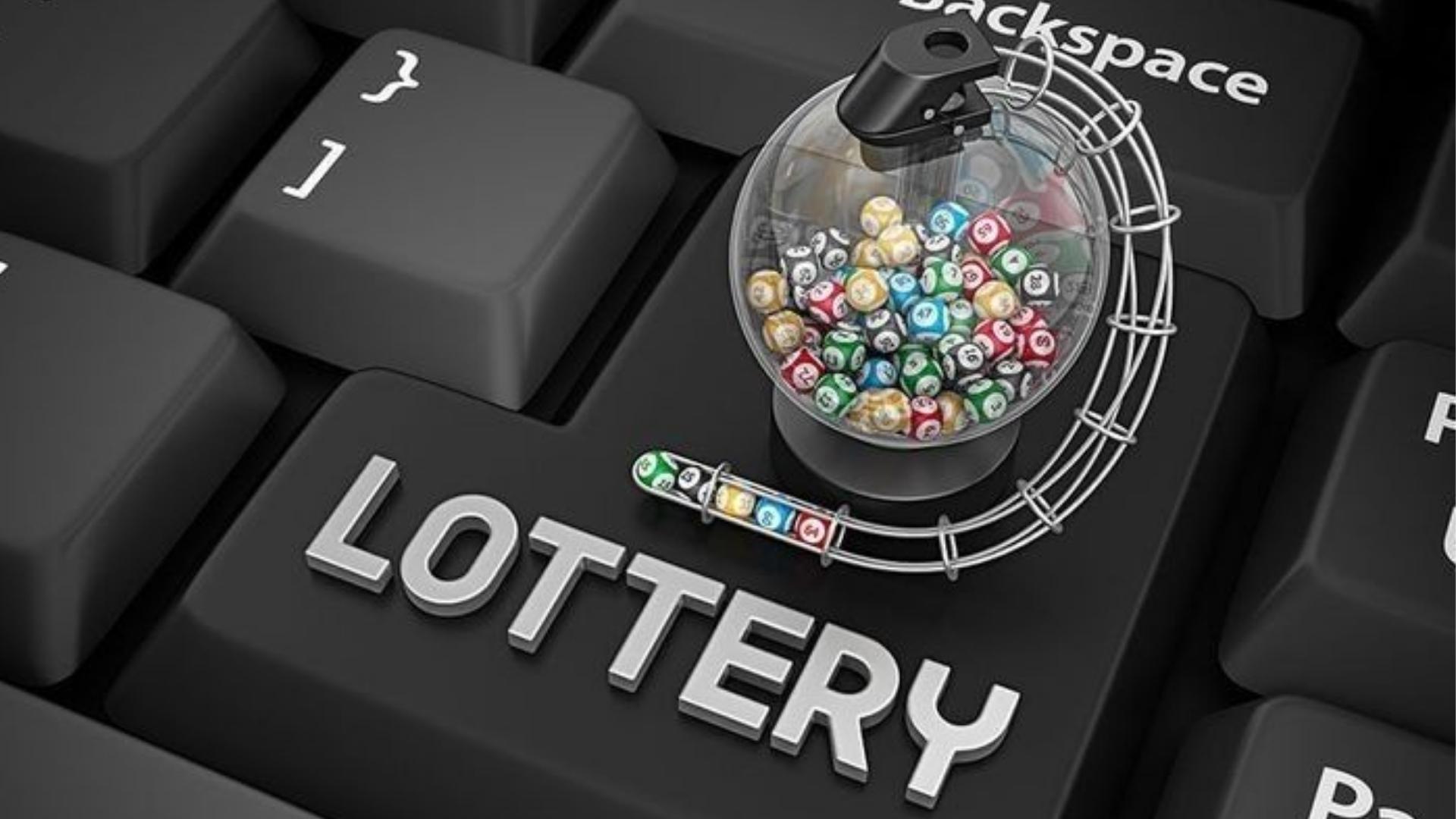
Random selection mechanisms have been a cornerstone of game architecture for decades, surviving transitions from tabletop boards to sophisticated modern software. While deterministic strategy games appeal to pure tactical skill, incorporating unpredictable outcomes introduces a distinct layer of excitement and variety. By continually subverting player expectations, randomized elements force individuals to adapt on the fly rather than relying on memorized routines.
The Psychology of Replayability
Static environments often lead to predictable play patterns, which can cause player engagement to drop over time. Introducing randomized variables ensures that no two playthroughs are identical, encouraging players to experiment with new strategies every session. This constant novelty keeps the core gameplay loop feeling dynamic and rewarding.
Furthermore, unpredictable outcomes evoke heightened emotional responses during critical moments of play. Watching a randomized selector determine a prize or obstacle creates natural tension that holds attention far better than fixed progression paths. This psychological dynamic explains why developers prioritize chance-based mechanics across diverse digital genres.
Leveling the Playing Field
In competitive and casual multiplayer settings, skill gaps can sometimes lead to one-sided matches that disincentivize newer players. Integrating controlled chance allows less experienced participants to enjoy moments of success without undermining the overall skill ceiling. This delicate balance fosters an inclusive social environment where players of varying experience levels can interact.
By ensuring that outcomes are not entirely deterministic, game designers can mitigate early-game dominance and maintain competitive tension until the end. Players are motivated to remain focused because a single lucky turn or unexpected event can alter the momentum of the game. Consequently, randomness serves as an effective tool for sustaining broader player interest.
Adaptability as a Core Skill
Random selection shifts the primary challenge from rigid execution to flexible problem-solving. When players cannot predict their exact resources or encounters, they must evaluate the current state of play and construct immediate contingency plans. This requirement for real-time adaptation elevates strategic thinking beyond simple rote memory.
Modern digital platforms frequently leverage these probabilistic structures to maintain dynamic user experiences. For instance, games incorporating features like m88 slot designs use algorithmic selection to deliver instant visual feedback and distinct outcomes with every interaction. Mastering these flexible environments requires players to embrace unpredictability as a core gameplay component.
Balancing Fairness and Frustration
While chance adds excitement, poorly implemented randomness can make players feel powerlessness or cheated by bad luck. Successful game developers carefully tune random number generators to ensure outcomes feel fair and mathematically distributed over time. Providing players with tools to mitigate or influence luck prevents moments of unearned defeat.
When balance is achieved, random selection enhances strategic depth rather than replacing it. Players appreciate the unpredictable nature of the game because their long-term decisions still dictate their ultimate success. This equilibrium remains one of the primary reasons why chance-based design continues to thrive in contemporary game development.